
Selecting the right visual style for a corporate video project is a critical decision that can determine the success of a marketing campaign. With so many options available—ranging from clean 2D vector graphics and premium 3D models to approachable whiteboard drawings—businesses must carefully evaluate which style aligns best with their brand identity, marketing objectives, and production budget. An animation style does not just dictate how a video looks; it changes how the message is received by the audience. A professional video animation agency can guide you through this selection process, ensuring that your final video looks polished, engages your target audience, and drives measurable conversions.
Understanding the Main Animation Styles
Before deciding on a specific style for your next project, it is essential to understand the unique characteristics, advantages, and typical use cases of each primary animation technique. Each style offers a different way to present information and evoke emotional responses from viewers.
2D Vector Animation
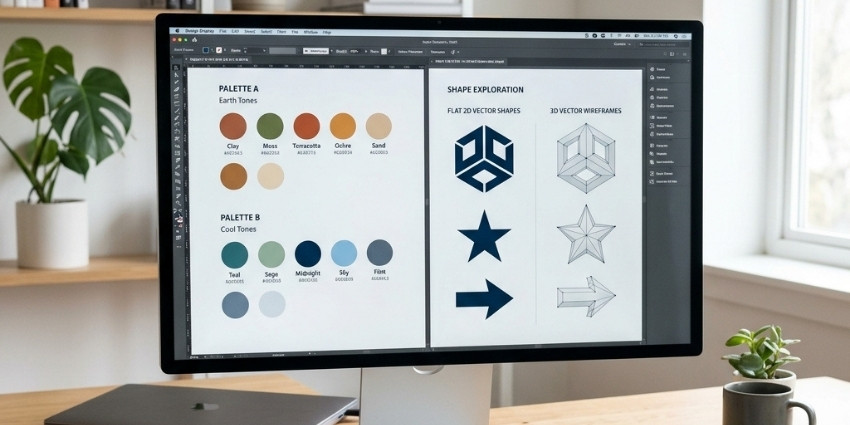
2D vector animation is one of the most popular and versatile styles used in digital marketing today. Characterized by flat designs, clean lines, and vibrant color palettes, 2D animation is highly effective for explaining software platforms, mobile applications, and professional services. The primary advantage of 2D animation is its flexibility; characters and environments can be customized to match a brand’s visual identity. Because the graphics are vector-based, they remain sharp and clear on any screen size. This style is ideal for businesses that want a modern, clean, and professional look that is easy to understand.
3D Character Animation
3D animation offers a sense of depth, realism, and cinematic quality that flat 2D designs cannot match. By using three-dimensional models, lighting, and textures, 3D animation creates immersive visual environments. This style is often used by companies showcasing physical products, medical devices, architectural designs, or high-end technology solutions. The main benefit of 3D animation is its ability to rotate objects in 360 degrees, allowing viewers to see internal mechanisms and complex structures clearly. While 3D production requires more technical expertise and longer timelines, the premium visual outcome is highly effective for establishing a brand as an industry leader.
Whiteboard Video Animation
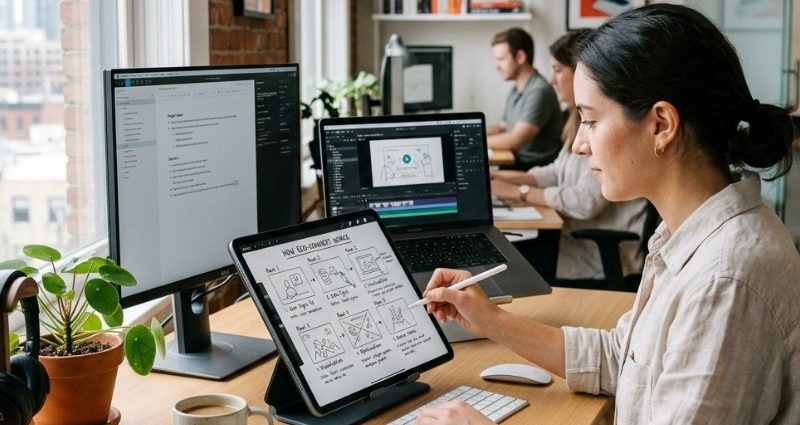
Whiteboard animation simulates the process of hand-drawing illustrations on a whiteboard or a clean canvas. Usually accompanied by a clear, friendly voiceover, this style displays a drawing hand tracing lines and sketching concepts in real-time. The simplistic nature of whiteboard videos makes them incredibly effective for educational content, corporate training, and explaining complex academic or financial concepts. Because the visuals are drawn step-by-step, the audience is naturally curious to see how each drawing finishes, leading to high viewer retention rates. This style is highly cost-effective and focuses the viewer’s attention entirely on the educational message.
Motion Graphics Design
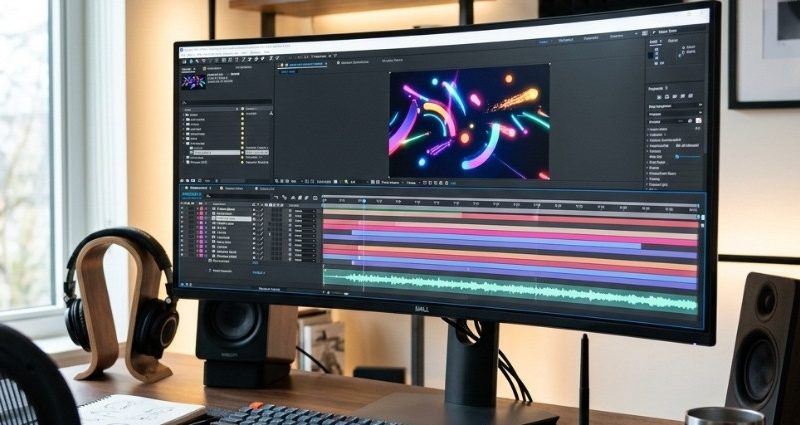
Motion graphics focus primarily on animating abstract shapes, typographic elements, logos, and data visualizations rather than characters. Often used in corporate presentations, financial reports, and high-energy social media ads, motion graphics combine text, icons, and smooth transitions to deliver data-heavy messages quickly. The clean and professional aesthetic of motion graphics is ideal for brands that want to convey authority and precision. By turning static charts and spreadsheets into dynamic, moving data points, motion graphics can make technical financial updates or business metrics engaging and easy to follow.
Matching Animation Styles with Brand Identity
Your chosen animation style should feel like a natural extension of your existing brand identity. If a video’s style contradicts your corporate tone, it can confuse your audience and damage your brand’s credibility.
Corporate and Professional Brands
For traditional B2B service providers, financial institutions, and legal firms, maintaining an atmosphere of trust, security, and professionalism is critical. In these sectors, minimalist motion graphics and clean 2D vector styles are highly recommended. Using a restrained color palette, elegant typography, and smooth, subtle transitions communicates authority and reliability. Avoiding overly cartoonish character designs helps ensure that the professional message is taken seriously by business clients.
Creative and Playful Brands
Consumer-facing brands, creative agencies, and lifestyle products often want to project a fun, friendly, and energetic brand image. For these companies, character-driven 2D animation is an excellent choice. Creating expressive characters with exaggerated movements, bright color transitions, and playful sound effects can make a brand feel relatable and welcoming. This approachable style helps build a personal connection with consumers, making it highly effective for social media campaigns and consumer product promotions.
High-Tech and Software Brands
Tech startups, software developers, and hardware manufacturers need to show that they are innovative, modern, and forward-thinking. To communicate this state-of-the-art positioning, a combination of premium 3D animation and slick motion graphics is ideal. Showing high-fidelity 3D renderings of hardware components, or using glowing wireframe graphics to represent software data flows, conveys technological sophistication. This visual style reassures potential clients that the company offers cutting-edge solutions.
Budget and Timeline Constraints in Animation Production
Every marketing project must operate within specific resource constraints. Understanding how different animation styles affect production budgets and delivery timelines is crucial for planning a successful campaign.
Assessing Production Complexity
The primary factor driving animation costs is the complexity of the visual production. Simple whiteboard videos and standard motion graphics require less render time and fewer design assets, making them highly budget-friendly options. 2D character animation requires more effort, as designers must create custom character rigs and animate individual body movements. 3D character animation is the most complex style, involving 3D modeling, texturing, virtual lighting setup, and complex rigging. Understanding these differences allows businesses to select a style that fits their budget without compromising on quality.
Timeline Considerations
Timelines are closely linked to production complexity. A professional whiteboard video can often be delivered in a shorter timeframe, as the visual assets are simpler to produce. 2D animations typically take a few weeks to complete, allowing time for scriptwriting, storyboarding, character design, and final rendering. 3D projects require the longest production timelines due to the extensive modeling and rendering phases. If you have an upcoming product launch or event with a strict deadline, selecting a style with a shorter production cycle ensures that your video is ready on time.
Technical Specifications and Deliverables
When working with an animation studio, it is important to establish clear technical specifications for your final video deliverables. This ensures that the video plays perfectly across all intended platforms, from high-definition presentations to mobile screens.
Easing and Animation Curves
The quality of an animated video is often defined by the subtlety of its movements. Professional animators use custom easing and animation curves rather than simple linear motion. Easing ensures that objects accelerate and decelerate naturally, imitating the physical laws of gravity and momentum. If a graphic simply pops onto the screen at a constant speed, it feels stiff and mechanical. Utilizing smooth easing curves makes the entire video feel fluid, premium, and visually satisfying to watch.
Audio Integration and Mastering
High-quality visuals must be accompanied by professional audio engineering. This process begins with recording a clear voiceover using professional voice talent. Once the voiceover is finalized, the sound designer layers background music and custom sound effects to match the visual timing. The final audio mix must be mastered to ensure that the voiceover remains clear and intelligible over the background music, with consistent volume levels across different playback devices.
Conclusion: Consulting an Animation Studio
Choosing the right video animation style is a strategic decision that shapes how your audience perceives your brand. By evaluating your brand identity, target demographic, budget, and timeline, you can select a style that maximizes the impact of your marketing message. Partnering with an experienced animation studio provides you with the creative direction, design skills, and technical expertise needed to produce a premium video. Whether you choose clean 2D vectors, cinematic 3D models, or engaging whiteboard sketches, custom animation can help you simplify your message, build trust, and scale your business conversions.